
Why Soy Wax Candles Burn Cleaner — And Why It Matters
As awareness grows around indoor air quality and intentional living, soy wax candles have quietly become the preferred choice for modern homes.
RUMI
1/26/20252 min read
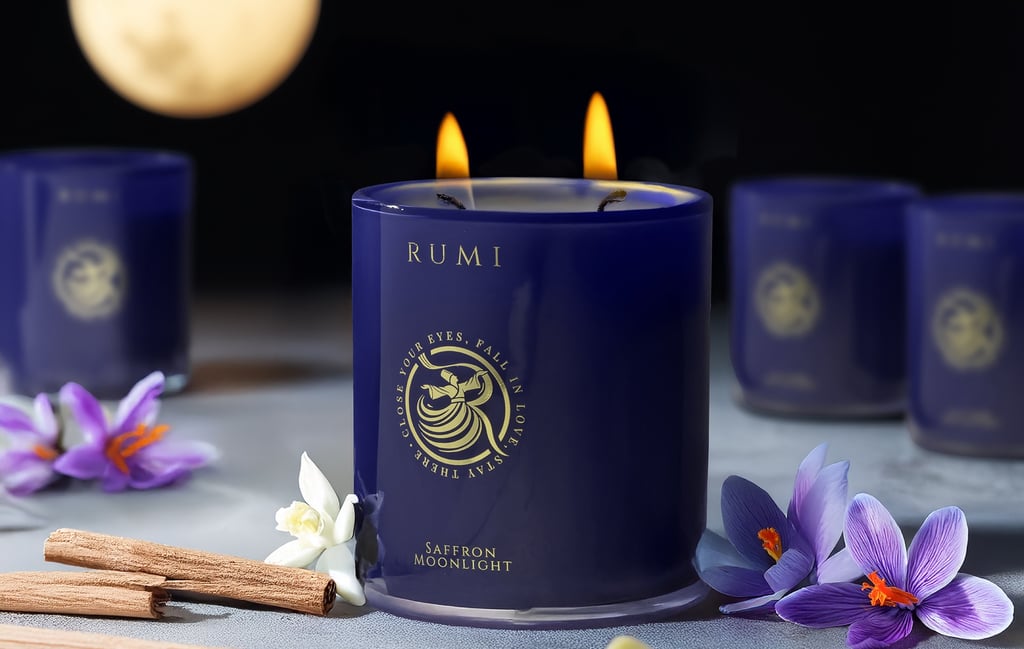
The modern home is designed for comfort, but not always for health. We insulate more tightly, spend more time indoors, and rely on artificial light and fragrance to shape our environments. In this context, even small details—like the type of candle we burn—carry more weight than we realize.
Candles are no longer occasional indulgences. For many, they have become daily rituals. And that makes what they are made of worth examining.
What Is Soy Wax, Exactly?
Soy wax is derived from soybean oil, a renewable agricultural product. After harvesting, soybeans are cleaned, cracked, de-hulled, and processed into oil, which is then hydrogenated to form wax.
Compared to traditional paraffin wax—an oil byproduct—soy wax burns at a lower temperature, produces less soot, and releases fewer airborne byproducts during combustion. This distinction is not cosmetic; it affects both air quality and sensory experience.
Clean Burn, Clear Space
Soot buildup from candles is often dismissed as harmless residue. However, research on indoor air pollution consistently shows that particulate matter—even in small amounts—can affect respiratory comfort and cognitive clarity.
A cleaner-burning candle does not demand attention. It does not cloud the air or overwhelm the senses. For those seeking calm or focus, this matters. Mindfulness depends on an environment free from subtle irritants.
Soy wax’s slower, cooler burn contributes to a steadier flame and a more restrained fragrance release—qualities aligned with sustained attention rather than sensory overload.
Scent, Attention, and Presence
Scent has a direct pathway to the brain’s limbic system, influencing memory, emotion, and mood. When fragrance is excessive or harsh, it becomes distracting. When it is measured and balanced, it can serve as an anchor.
This is where material choice intersects with mindfulness. A candle should support awareness, not compete with it. Soy wax allows scent to unfold gradually, creating a backdrop rather than a focal point.
A Simple Evening Ritual
As daylight fades, lighting a candle can serve as a transition—an intentional marker between activity and rest.
A simple practice:
Dim overhead lighting
Light a single candle
Sit quietly for one minute before engaging in your evening routine
The goal is not meditation, but orientation. A signal to the nervous system that pace is changing.
A Note on Craft and Intention
At RUMI, soy wax is not a marketing choice; it is a philosophical one. Clean materials, balanced scent profiles, and thoughtful design allow candles to function as tools for presence rather than decoration alone.
In a culture optimized for speed and stimulation, attention has become fragmented. Reclaiming it does not require grand gestures. Often, it begins with quieter decisions—like choosing what we burn in our homes.
Sometimes, slowing down starts with striking a match.
Explore RUMI’s Saffron Moonlight for moments designed to be lived, not rushed.