
The Science of Scent: How Fragrance Shapes Attention and Mood
Scent is often treated as an accessory—something added to a space for atmosphere or comfort. In reality, it is one of the most direct and neurologically powerful sensory inputs humans experience. Unlike sight or sound, fragrance bypasses rational filtering and moves straight into the brain’s emotional and memory centers.
RUMI
2/2/20262 min read
How the Brain Processes Scent
When a fragrance is inhaled, odor molecules bind to receptors in the olfactory epithelium. Signals are sent directly to the olfactory bulb, which is closely linked to the limbic system—the brain region governing emotion, memory, and attention.
This pathway is unique. Visual and auditory information passes through multiple processing layers before reaching emotional centers. Scent does not. It arrives faster and with less cognitive mediation.
This explains why fragrance can alter mood almost instantly and why certain smells can surface memories with remarkable clarity.
Scent and Attention: Calm Versus Cognitive Noise
Attention is finite. Environments overloaded with sensory input fragment it, often without conscious awareness. Fragrance plays a subtle but meaningful role in this dynamic.
Sharp or chemically heavy scents can increase alertness or irritation
Balanced, well-composed fragrances tend to stabilize attention
Gradual scent diffusion supports focus better than sudden intensity
Research in environmental psychology suggests that restrained olfactory stimulation can support concentration, while overpowering scents increase cognitive load. In short, fragrance can either support presence—or compete with it.
Mood, Memory, and Emotional Anchoring
The connection between scent and memory—often referred to as the Proust effect—is well documented. Because scent-based memories are encoded alongside emotion, they tend to be vivid and durable.
This makes fragrance especially effective as a ritual anchor. When the same scent is used consistently—at the end of the workday, during reflection, or before rest—the nervous system begins to associate it with that state. Over time, the response becomes automatic.
The body learns before the mind does.
Why Fragrance Quality and Composition Matter
Not all scents interact with the brain in the same way. The source, purity, and structure of a fragrance directly influence how it is perceived over time.
High-quality fragrance blends:
Are composed in layers that unfold gradually
Avoid harsh top notes that overwhelm the senses
Maintain balance as they burn or diffuse
Feel integrated rather than intrusive
Lower-quality scents often rely on blunt intensity rather than nuance. They fill a room quickly, but fatigue the senses just as fast. The distinction is not aesthetic—it is physiological.
Fragrance as an Environmental Tool
When thoughtfully designed, scent becomes part of the environment rather than its focal point. It does not demand attention; it supports it. It signals transition, grounds emotion, and shapes atmosphere without spectacle.
This is why scent has historically been used in spaces intended for contemplation—homes, libraries, and sacred architecture—not for stimulation, but for orientation.
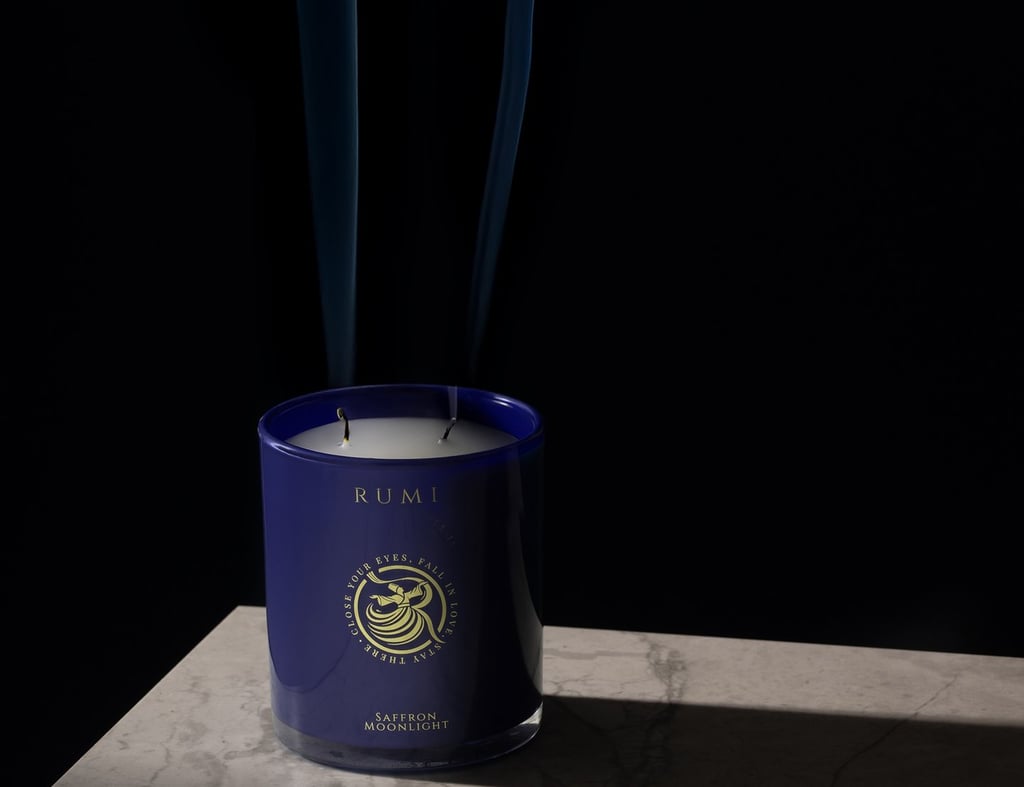
A Note on RUMI and Saffron Moonlight
At RUMI, scent development is approached as both a technical and sensory discipline. Fragrances are formulated through careful testing, with an emphasis on balance, longevity, and restraint rather than intensity.
Saffron Moonlight, RUMI’s signature scent, reflects this approach. Its composition blends saffron, vanilla, and sandalwood—notes chosen not for trend appeal, but for how they interact over time.
Saffron adds warmth and subtle depth
Vanilla introduces softness without sweetness
Sandalwood provides a grounding, steady base
Each element is sourced from highly reputable fragrance manufacturers known for rigorous quality and safety standards. The intention is not to dominate a room, but to create a scent that supports focus, calm, and presence.
Closing Thought
In an overstimulated culture, attention has become fragile. Small sensory decisions—often unnoticed—shape how we move through our days.
Scent, when chosen deliberately, can be one of the quietest and most effective ways to influence mood and focus. Not by demanding attention, but by gently guiding it.
Sometimes, what we barely notice matters most.