Soy Wax vs. Paraffin Candles: Health, Burn Quality, and Environmental Impact
Candles are often treated as decorative afterthoughts, yet they play a surprisingly intimate role in daily life. Burned in bedrooms, living rooms, and workspaces, they influence indoor air quality, sensory experience, and even mood. As candle use has grown, so has scrutiny over what they are made of—most notably, the difference between soy wax and paraffin. Understanding this distinction is not about luxury or trends. It is about health, performance, and environmental responsibility.
RUMI
1/30/20262 min read
What Is Paraffin Wax?
Paraffin wax is a petroleum byproduct, derived from crude oil during the refining process. It has long dominated the candle industry because it is inexpensive, widely available, and easy to work with. Paraffin holds fragrance well and produces a strong scent throw, which has made it popular in mass-market candles.
However, its origins and burn characteristics have raised concerns in recent years.
What Is Soy Wax?
Soy wax is made from hydrogenated soybean oil. It is a renewable, plant-based material that entered the candle market as consumers began seeking alternatives to petroleum-derived products.
Soy wax burns at a lower temperature than paraffin, tends to last longer, and produces less visible soot. While it can be more costly to manufacture, it has become the preferred option for many modern candle makers focused on clean-burning materials.
Health Considerations: What Are You Breathing In?
One of the most discussed differences between soy wax and paraffin relates to indoor air quality.
When burned, paraffin candles can release soot and trace amounts of volatile organic compounds (VOCs). Some studies have linked paraffin combustion to airborne pollutants commonly associated with diesel exhaust and industrial emissions, particularly when candles are burned frequently or in poorly ventilated spaces.
Soy wax, by contrast, generally produces less soot and fewer combustion byproducts. While no candle is completely emission-free, soy wax is widely regarded as the cleaner-burning option—especially important in enclosed indoor environments.
For individuals sensitive to air quality, fragrance, or respiratory irritation, wax choice can meaningfully affect comfort.
Burn Quality: Longevity, Flame, and Scent
Burn quality is not just about how long a candle lasts, but how consistently it performs.
Paraffin candles
Burn hotter and faster
Often produce a stronger, immediate scent
Can create more smoke and residue
Soy wax candles
Burn cooler and slower
Tend to last longer ounce-for-ounce
Release fragrance more gradually and evenly
For those who prefer subtle, sustained scent rather than an intense initial burst, soy wax offers a more controlled experience. A steadier burn also means less maintenance, such as trimming soot buildup from containers or walls.
Environmental Impact: A Material Choice With Consequences
Paraffin’s environmental footprint begins with fossil fuel extraction. As a non-renewable resource, it is tied directly to oil production and refining, processes with well-documented environmental costs.
Soy wax, while not impact-free, is derived from a renewable crop. When responsibly sourced, it represents a lower-carbon alternative and supports agricultural supply chains rather than petroleum ones. Additionally, soy wax is biodegradable, whereas paraffin is not.
Environmental considerations do not end at the wax itself—packaging, wicks, and fragrance sourcing also matter—but wax choice remains a central factor.
Which Should You Choose?
There is no universal answer, but there are clear trade-offs.
Choose paraffin if:
You prioritize strong scent throw at lower cost
The candle is used occasionally, not daily
Choose soy wax if:
You burn candles regularly indoors
You value cleaner air and longer burn time
Environmental impact matters to you
For many households, soy wax represents a practical balance between performance, health awareness, and sustainability.
A Thoughtful Option
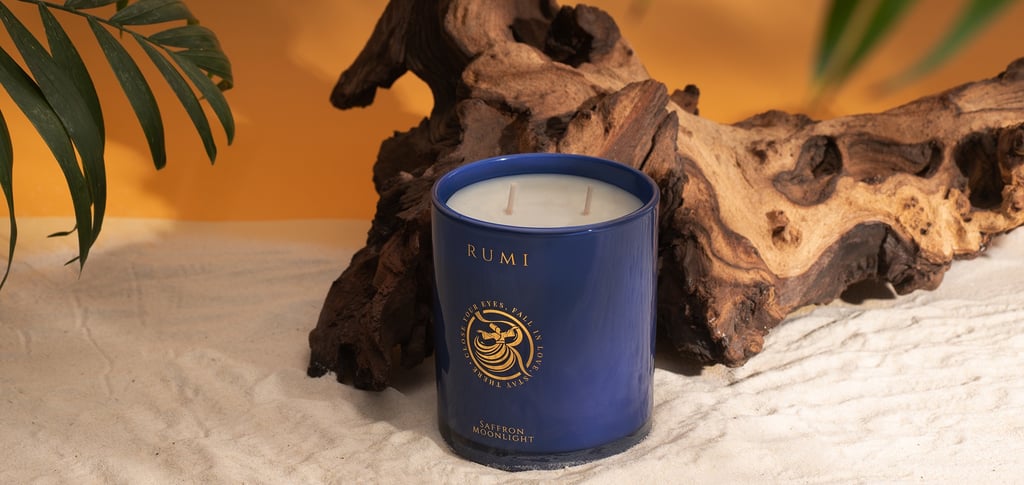
If you are exploring soy wax candles made with intention—clean materials, balanced fragrance, and restrained design—brands like Saffron Moonlight focus on creating candles meant to complement daily rituals rather than overpower them.
The most important choice, however, is an informed one. What you burn in your home should support the environment you want to inhabit—calm, considered, and clear.